

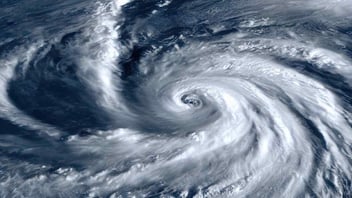
Why hurricanes make 2026 travel especially risky for vacationers
Hurricane travel insurance helps protect your prepaid, non-refundable trip costs when a hurricane forces you to cancel or cut a vacation short. It can also help cover extra expenses, like emergency lodging or transportation, if you must evacuate or your destination becomes unsafe.
Hurricanes can be destructive to both property and human life. CBS News predicts 2026 will be slightly below average in terms of the number of storms. However, the risk is still substantial, especially for those planning trips in areas where hurricanes are common during the official hurricane season that runs from June 1, through November 30.
Hurricanes are also hard to plan around. Meteorologists can usually only project a storm’s path three to five days in advance. Unfortunately, since travel plans generally can’t be made within such a short time, risk remains that a storm could strike after it is too late to reschedule, or recoup nonrefundable travel expenses.
Because you can’t control when or where a hurricane forms, you have to focus on what you can control – how to protect your travel investment if a hurricane does strike. Enter the travel insurance solution.
How travel insurance works to protect your trip costs from hurricane risk
Hurricane travel insurance is usually a part of a broader trip cancellation and interruption policy, not a separate product. The idea is simple: if a hurricane forces you to cancel before departure, or interrupts your vacation after you leave, the policy reimburses covered losses up to the limits you selected when you bought coverage.
Typical covered costs include non-refundable airfare, cruise payments, resort stays, prepaid excursions and tours and sometimes change fees charged by airlines or tour companies. If a hurricane hits your destination and your travel supplier cancels service for a specified period, trip cancellation benefits can reimburse you for what you already paid and cannot get back in refunds or credits.
Trip interruption benefits apply when a storm affects you mid-trip. For example, if your resort closes because of storm damage or mandatory evacuation, interruption coverage can help reimburse the value of unused trip days and additional transportation needed to get home or to a safer location. In some policies, it can also help cover extra lodging if you are stranded somewhere unexpectedly.
Importantly, these protections are designed to address financial loss, not everyday inconveniences. A bit of rain or a downgraded tropical storm that does not close services at your destination usually is not enough to trigger benefits. That is why understanding how your policy defines a covered hurricane event is crucial.
Key rules about named storms, timing and covered reasons
With hurricane coverage, timing is everything. Policies require that you purchase trip cancellation and interruption coverage before the storm is officially named. Once a storm is on the radar and named by the National Hurricane Center, it is generally considered a foreseeable event and no longer insurable as an unexpected risk.
That means you cannot wait until a storm is spinning toward your resort to buy coverage. Instead, you should purchase insurance soon after making your first trip payment. Doing so locks in protection while the risk is still considered unknown. This timing rule is one of the most misunderstood aspects of hurricane-related travel insurance.
Policies also rely on clear “covered reasons” for cancellation or interruption. Common examples include a complete cessation of services by your airline or cruise line for at least 24 consecutive hours due to severe weather, or your destination lodging becoming uninhabitable from storm damage. Many plans spell this out explicitly.
In addition, some policies provide coverage if local authorities issue a mandatory evacuation order that affects your accommodations. Others may protect you if your primary residence becomes uninhabitable from a hurricane right before your trip, making travel impossible. Reading the list of covered reasons carefully—and asking questions before you buy—is essential.
Examples of hurricane scenarios that trigger travel insurance benefits
Concrete scenarios help make hurricane travel insurance easier to understand. Imagine you pay in full for a Caribbean cruise departing in September. Two weeks before you sail, a hurricane forms, strengthens and forces the cruise line to cancel your itinerary entirely. If you purchased coverage before that storm was named, trip cancellation benefits can reimburse your non-refundable cruise payments.
Consider another example: you book a week at an oceanfront resort during peak season. Three days into your stay, a hurricane’s track shifts and your destination issues a mandatory evacuation order. You must leave the resort and pay for last-minute flights and alternative lodging inland. Trip interruption coverage may help reimburse unused nights at the resort and the extra travel expenses you incur.
A third scenario involves timing at home. Suppose a hurricane targets your home state just days before your scheduled departure, and your primary residence sustains severe damage. Many policies treat your home becoming uninhabitable as a covered reason for canceling your trip, allowing reimbursement of prepaid, non-refundable costs.
These examples show why that three to five day forecast window matters so much. You often learn about the real impact of a storm only days before departure or mid-trip, when canceling or rerouting becomes expensive. Having coverage in place before the storm is named can make the difference between a total loss and a manageable inconvenience.
How to choose the right hurricane-ready travel insurance policy
Not all travel insurance plans handle hurricanes the same way, so smart comparison is critical. Start by listing your major prepaid, non-refundable costs: airfare, cruise payments, resort stays and major excursions. You will want your trip cancellation and interruption limits to at least match that total, so you are not underinsured if a storm hits.
Next, look for policies that clearly mention hurricanes, severe weather or natural disasters in their covered reasons for cancellation and interruption. Pay attention to details like how long service must be disrupted, whether mandatory evacuation orders are covered and what counts as your “accommodation” or “destination.” Small wording differences can change what is covered.
You may also consider optional upgrades, such as Cancel For Any Reason (CFAR) coverage, if available and appropriate for your situation. CFAR can reimburse a portion of your trip costs even if the reason for canceling is not listed as a standard covered reason, but usually must be purchased soon after your initial trip deposit and requires you to insure the full trip cost.
Finally, evaluate each policy’s emergency assistance services. During an active hurricane season, having 24/7 support to help you rebook flights, find alternate lodging or arrange evacuation can be as valuable as the reimbursement itself. A policy supported by experienced travel assistance teams can reduce stress when conditions are changing rapidly.
When and how to work with a travel insurance expert for guidance
Because there are so many plan options and hurricane-related rules, many travelers benefit from working with a dedicated travel insurance expert. A knowledgeable advisor can explain how different policies treat named storms, mandatory evacuations and service interruptions, then match you with coverage that fits your destination, timing and budget.
Experienced specialists review your itinerary, identify which costs are truly non-refundable and recommend appropriate coverage limits. They can also walk you through important deadlines, like how soon after your first trip payment you must buy coverage to qualify for certain benefits. This kind of guidance is especially useful if you are planning cruises, multi-stop trips or travel during the peak of hurricane season.
Travel Insurance Center® emphasizes this expert-driven approach, helping travelers compare options and understand what is and is not covered before they buy. Their services are available at no cost to you, and you can speak with a Travel Insurance Expert at 1.866.979.6753.
If you are planning a 2026 trip that could be affected by hurricanes, reaching out to an expert well before your departure date can help you lock in protection while the storm risk is still unforeseeable. That way, you’ll rest easy knowing you’re suitably protected.
Share this blog post:



Protect Your Vacation From the Financial...
You have substantial control when it comes to managing vacation risk. For example, by only considering vacation destinations that are politically...

This One Thing Can Protect Your Vacation...
When it comes to summer vacations, there’s a lot within your control. You can shop for the best prices on flights and accommodations. You can choose...